
Is it Better to Bend PEX or Use Fittings?
Cross-linked polyethylene (PEX) is the ideal material for modern plumbing systems. People in the DIY and plumbing expert groups select PEX as their top choice because it offers flexible design options, reliable durability, and simple installation. The dilemma in implementing PEX material is deciding between bending PEX tubes and using fittings as an alternative. A detailed exploration of PEX bending, besides fitting selection, is included, along with an explanation of how a PEX cutter and appropriate supports enhance the results.
Why is PEX so Popular?
- The material bends easily to pass through confining areas and tight corners.
- The material demonstrates resistance against scale buildup and chlorine attack, prolonging its operational life.
- PEX has limited resistance to freeze damage, so pipe bursts are less likely to occur.
- PEX cutting and installation processes are simple, especially using the iCrimp PEX cutter and crimping or cinch systems.
Can You Bend PEX Pipe?
PEX allows bending when implemented correctly. PEX tubing contains a construction element that makes it bendable. Nonetheless, specific temperature and diameter conditions allow PEX to become flexible enough to create gentle bends without the need for elbow fittings. PEX pipe installation is significantly faster and less expensive thanks to its bending capability.
Key Tips for Bending PEX
- Don't bend it too sharply. PEX pipes require at least six times their diameter in clearance during bending to prevent deformations.
- You should support curved PEX sections using bend supports and PEX bend clips, specifically close to walls and joints.
- You should use your PEX cutter to eliminate the damaged section before installing a coupling when kinking occurs.
Pros of Bending PEX Over Using Fittings
-
Fewer Leak Points
Every installed fitting and elbow creates possible leak points throughout the system. Implementing pipe-bending practices instead of fittings reduces the number of connection joints, helping decrease system vulnerabilities throughout its lifespan.
-
Faster Installation
Faster job completion occurs because it reduces the time required for cutting, crimping, and clamping. The number of fittings required for the system reduces inventory requirements.
-
Cost Savings
Every fitting costs money. Their material expenses decrease when they use layout designs with extended curved paths.
When to Use Fittings Instead of Bending
Light bending proves advantageous for most projects, yet fittings become essential or recommended in different circumstances:
Tight Corners or Limited Space
The elbow fitting would be beneficial for creating a 90-degree turn in tiny spaces.
Maintaining Pipe Integrity
The pipe material will weaken, and water flow will suffer whenever the bend is too steep. Fittings provide a consistent inner diameter and regular water flow.
Precision Layouts
Installing fittings delivers a precise framework and organization to plumbing systems with their multiple directional elements.
Read More: What Fittings Are Best for PEX Pipes?
How the Right Tools Make All the Difference
Installing PEX and fittings requires proper tools, resulting in leak-free professional work. Must-have tools include:
-
PEX Cutter
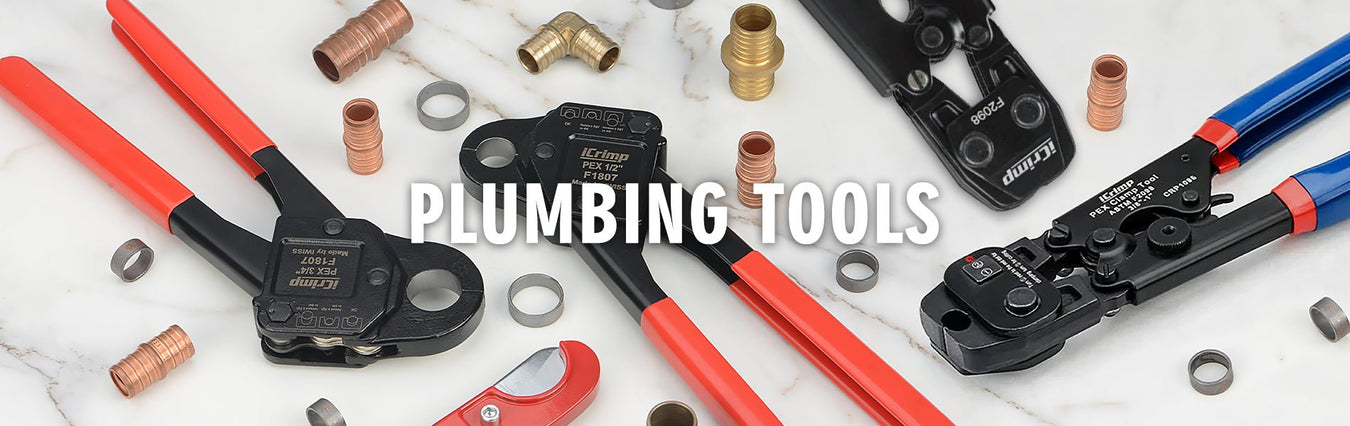
Quality start-ups and rectangular PEX cutout requirements constitute essential elements for all PEX installation operations. The high-quality iCrimp PEX Cutter features an ergonomic design that delivers consistent, smooth, burr-free cuts.
-
Crimp or Cinch Tool
The iCrimp Crimping Tool Kit, or iCrimp Cinch Tool, creates durable joints through its fitting system, using crimp rings or cinch clamps. The best examples are the iCrimp PEX Crimping Tool Kit and iCrimp PEX Clamp Tool Kit.
-
Go/No-Go Gauge
Every installation requires a go/no-go gauge to check the standard quality of crimps. iCrimp includes this essential component in its toolkits to provide added security. The Dual PEX Crimper and a go/no-go gauge are a great example.
Conditions to Consider the Choice Between Bending PEX and Using Fittings
Critical criteria determine when to select PEX pipe bending or fittings usage:
-
Turn Angle
The turn angle selection determines whether to use gently curved bends or elbow fittings, especially at sharp 90-degree turns.
-
Space Available
When space availability is limited, only fittings are a practical option. A confined space becomes easier to work in with bending methods, since fewer fittings are required.
-
Cost
Simple PEX runs with gradual bends usually cost less than fittings, but complex systems require a greater financial investment when using fittings for better control.
-
Flow Efficiency
Copper piping that curves naturally provides superior flow functions than piping segments connected with fittings, which produce abrupt corners.
-
Time and Skill Needed
Bending requires proper techniques to prevent kinking. However, installing fittings requires the proper tools, including a high-quality PEX cutter for precise cuts and strict adherence to manufacturing specifications.
-
Longevity
Smaller connection numbers result in fewer leak-susceptible areas, favoring bending as the preferred method. High-quality fittings and proper installation serve as extremely reliable plumbing components.
Bottom Line
The PEX system offers flexible bending solutions and allows you to install fittings as needed. Every project reaches perfection through the combination of high-quality tools such as iCrimp PEX cutters and joining systems, which deliver precise, reliable results. Discover iCrimp's complete set of iCrimp PEX tools and fittings to enhance your plumbing equipment with guaranteed industrial-grade components.