
How Can I Keep Hose Clamps Tight?
Hose clamps remain crucial in plumbing, the automotive industry, and home DIY projects. They have a simple but essential task: ensure hoses remain firmly attached to fittings to avoid leakage and falling off. However, over time, these clamps may loosen due to vibration, temperature changes, or poor fixing. Therefore, what are the best practices for making long-lasting, leak-proof connections with hose clamps?
What are Hose Clamps?
A hose clamp is a circular loop used to secure a hose to a fitting or pipe, creating a tight seal to prevent the loss of fluids such as gas and water. The field of applications for hose clamps is diverse, including car engines, HVAC systems, washing machines, and irrigation setups.
Types of Hose Clamps
-
Screw clamps (worm gear clamps)
The screw clamps secure a tight seal on the pipe or fitting by tightening a band with a screw. They are often used for general purposes and have good line adjustability.
-
Pinch clamps (cinch clamps)
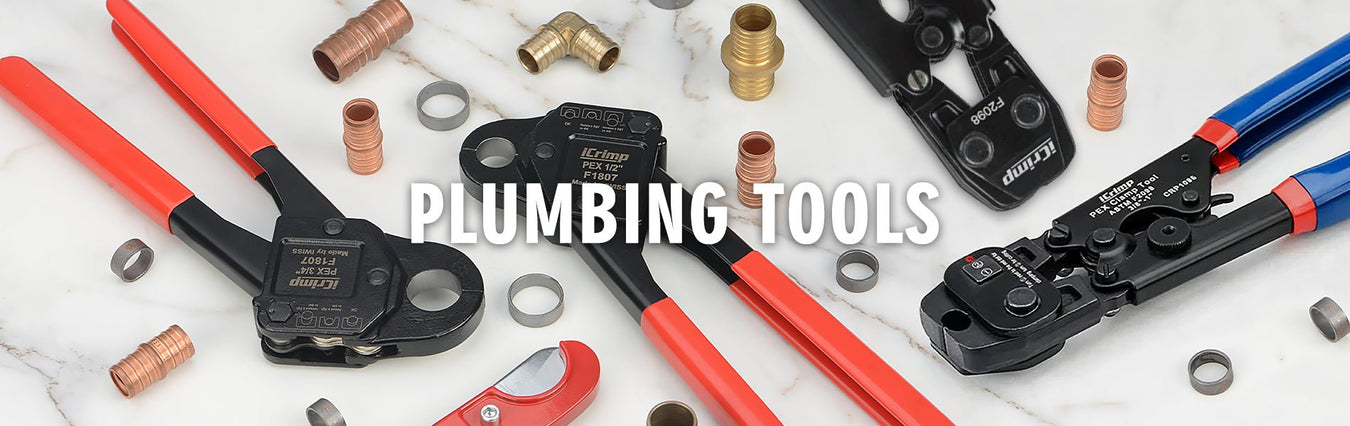
They are suitable for creating a permanent, tamper-resistant seal and are commonly used in PEX plumbing, automotive, and beverage lines. The 3/4 in. Stainless Steel Cinch Clamp Rings are an ideal example.
-
Spring clamps
They work best in environments with frequent temperature changes, such as cooling systems.
-
Wire clamps
They tie, connect, fasten, tape, direct, and encase cables and wires. When installing and maintaining cable systems, these clamps are essential.
The Best Ways to Install and Tighten Hose Clamps
Selecting the Proper Type of Clamp
Incorrectly applying a clamp to a hose is among the most significant reasons hose clamps cannot maintain a perfect fit. Thus, consider application, durability, and flexibility when choosing the clamps.
Use the Appropriate Size of a Clamp
Make sure that the clamp fits the hose. The clamp is designed to sit comfortably under the hose, so some space should be left to exert pressure without being too tight.
Hose and Fitting Surface Preparation
Seal is better on clean, dry, and smooth hose surfaces. Over time, the clamp can slip due to dirt, oil, or debris. When installing the hose to the fitting, be sure to avoid tears in the hose or bulges that can weaken the seal.
Clamp in the Right Position
The common cause of loosening is putting the clamp in the wrong place. The clamp should be positioned directly behind the fitting's raised ear. Clamping near the end of the hose where the clamp can fall off is not recommended. For pinch clamps, crimp the clamp at the center of the fitting's barb.
The Right Tool for the Job
Pinch clamps need to be installed with a pinch tool because it evenly and correctly cinches the clamp. Other improvised devices, such as pliers, should not be used, as they will not provide consistent pressure and may damage the clamp or hose. For screw clamps, constant force is required; this can be applied with a screwdriver or a per-nut driver. Do not tighten too hard, which may cut the hose or deform the clamp.
Watch and Re-tighten When Needed
Certain kinds of clamps, particularly screw clamps, may, over time, work themselves loose due to vibration, pressure changes, or heat expansion. If you use adjustable clamps, check them occasionally to ensure there are no leaks or slippage, and re-tighten where required, particularly in high-vibration areas like an engine or pump. In contrast, pinch clamps do not require any form of re-tightening; hence, they are suitable for applications where long-term servicing is complex.
Quality Clamps Upgrade
Poor-quality clamps can corrode, stretch, or lose tension. Use stainless steel clamps made of high-quality material that neither rusts nor bends. For professional and do-it-yourself applications, iCrimp manufactures durable pinch clamps that simplify sealing.
Final Thought
To achieve long-term results in hose clamping, the appropriate type and size of clamps, proper cleaning and preparation of the hose and fittings, the right tools and form, and frequent checking when an adjusting clamp is involved are required. In most applications, pinch clamps will outlast others due to their durability, uniform pressure over the lifetime of the clamp, and zero maintenance requirements. Want to replace your hose clamps or keep your connections tight? Discover high-quality pinch clamps, installation kits, and clamp sets from iCrimp.
References