
How to Connect Two Electrical Wires
Table of Contents
The Importance of Connecting Wires Properly The Materials and Tools Required Step Guide to Connecting Two Electrical Wires Step 1: Safety First - Switch Off the Power Step 2: Prepare Wire Ends Step 3: Select A Connection Method Step 4: Insulation of the Connection Step 5: Inspect and Double-Check the Connection Bottom Line
One basic electrical work skill is connecting two electrical wires. Whether fixing a home appliance, installing a new lighting setup, or wiring a project, making a safe, secure connection is essential. Wire bonds may provide short circuits, poor conductivity, or cause a fire when performed poorly. However, you can do it safely using the proper technique and tools, such as the 7PCS Home Repair Tool Set. This article will take you through a step-by-step guide to connecting two electrical wires, with a strong emphasis on safety, attention to detail, and the need to use the best possible wire stripper.
The Importance of Connecting Wires Properly
When electric current passes through a conductor, a low point in the conductor, e.g., a loose connection, may cause breakdown, heat generation, and even a system breakdown. A healthy contact provides continuous current flow and eliminates the risk of sparking and damaging devices and circuitry.
The Materials and Tools Required
To connect two wires in the right way, prepare the following:
- Wire stripper tool: One should have it to remove any insulation without destroying the conductor. A good example is the ICP-4021 Wire Stripper.
- Electrical tape or wire connectors: For twist-on wire nuts or push-in connectors.
- Screwdriver: When dealing with terminal blocks.
- Voltage tester: To ensure the circuit is off.
- Heat shrink tubing: To provide wires with more insulation and increase safety.
- Multi-tool or pliers: The HS-05FL Terminal Crimping Pliers is an excellent example of a tool for twisting wires.
Read More: How To Crimp Two Wires Together
Step Guide to Connecting Two Electrical Wires
Step 1: Safety First - Switch Off the Power
Whenever you handle electrical wires, remember to turn off the power at the breaker panel before doing anything. It is essential to ensure a wire is secure, even when the switch is off, using a voltage tester.
Step 2: Prepare Wire Ends
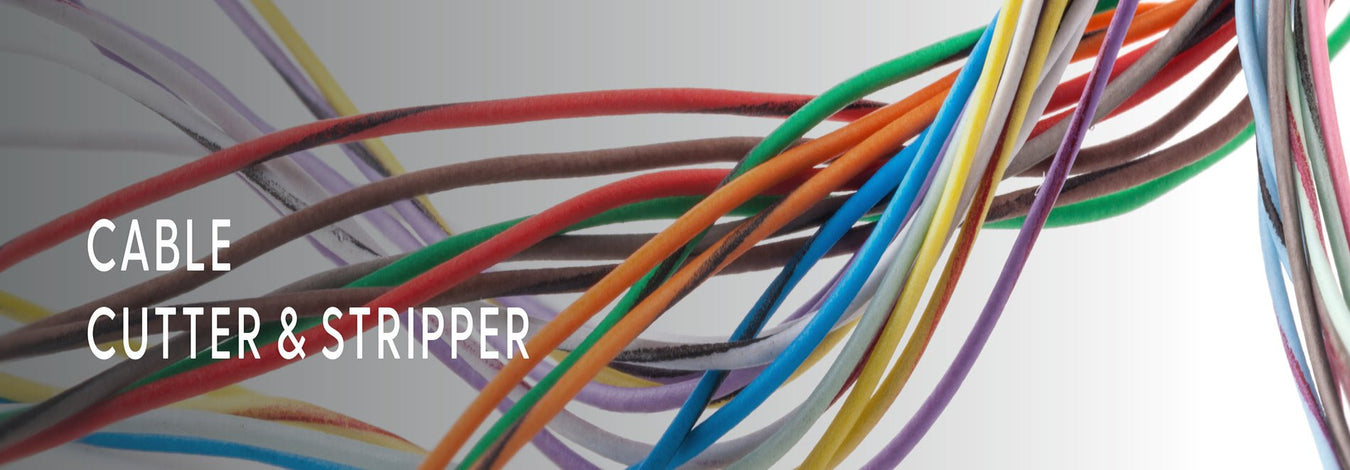
Using a wire stripper, cut about 3/4 inch of insulation off the ends of both wires. To ensure the copper strands are not nicked or cut, select a wire stripper with a notch that matches the wire gauge. Hold the wire in place, use the stripper to grasp, and remove the insulation from the strip. The outcome should entail a smooth conductor to connect to.
Step 3: Select A Connection Method
Various methods can be used to connect two electrical wires, depending on the applications:
1- Twist-On Wire Connectors (Wire Nuts)
- Use the stripped ends of both cables to line up.
- Using pliers, twist them together clockwise until they are very tight.
- Then put a wire nut on the screws and tighten it to fit and tighten so that the wires are fixed.
- Give tugs to check the security.
2- Push in Wire Connectors
- Push in Wire Connectors
- These lock the wires, speeding up the connection of the wires, and typically, they are color-coded by wire gauge.
- A crimping tool is used to crimp both sides of the connectors to hold the cables effectively.
3- Soldering
- Soldering is the perfect method when using permanent vibration-resistant connections.
- Twist, solder with a soldering iron, and then heat shrink wrap.
4- Screw Terminal or Terminal Blocks
- Screw the wire into the terminal hole.
- Used in appliance and control panels.
Step 4: Insulation of the Connection
Without a built-in insulated connector, secure the connection with electrical tape or heat-shrink tubing, then heat it until it's tight around the wires. Insulation guards against short circuiting, wetness, and physical contact.
Step 5: Inspect and Double-Check the Connection
Before restoring power, make sure all wires are connected and insulated. Tug gently at every connection. Check the absence of an exposed bare wire. After all, switching the power and inspecting the connection between the devices or circuit appears safe.
Bottom Line
Joining two electrical wires is an essential skill for DIYers and technicians. Perfection of this task is not only a matter of technique; it also depends heavily on the appropriate tool, such as a good wire stripper, which will give perfectly clean, undamaged wire ends. When the connection is secure, it begins with very careful stripping, proper joining, and sound insulation. Choose from the iCrimp's suggested wire-stripping tools for accuracy, durability, and convenience, ensuring every connection is safe, strong, and professional.
References